SLB OneSubsea completes Brazil all-electric subsea technology project
Published: 10/15/2026
SLB OneSubsea completes Brazil all-electric subsea technology project
Published: 10/15/2026
Industry collaboration advances integrated electric systems for deepwater developments at depths of up to 3,000 meters
As subsea developments move into deeper water and increasingly complex environments, operators are looking for new ways to simplify infrastructure, improve control and create greater flexibility in how future fields are designed. Traditional hydraulic systems require extensive distribution infrastructure to operate subsea equipment, adding complexity as developments extend farther from existing facilities.
This is where all-electric can make a difference. OneSubsea has completed the Brazil All-Electric Joint Industry Project (JIP), a collaboration with TotalEnergies, Equinor, bp and Chevron, supported through the National Petroleum Agency (ANP) research & development regulation, to advance fully electric subsea production technologies for applications at water depths of up to 3,000 meters.
By replacing hydraulic actuation with electric systems and connecting subsea equipment, well completion technology, topside controls and digital capabilities, electrification can create new options for designing and operating future deepwater fields.
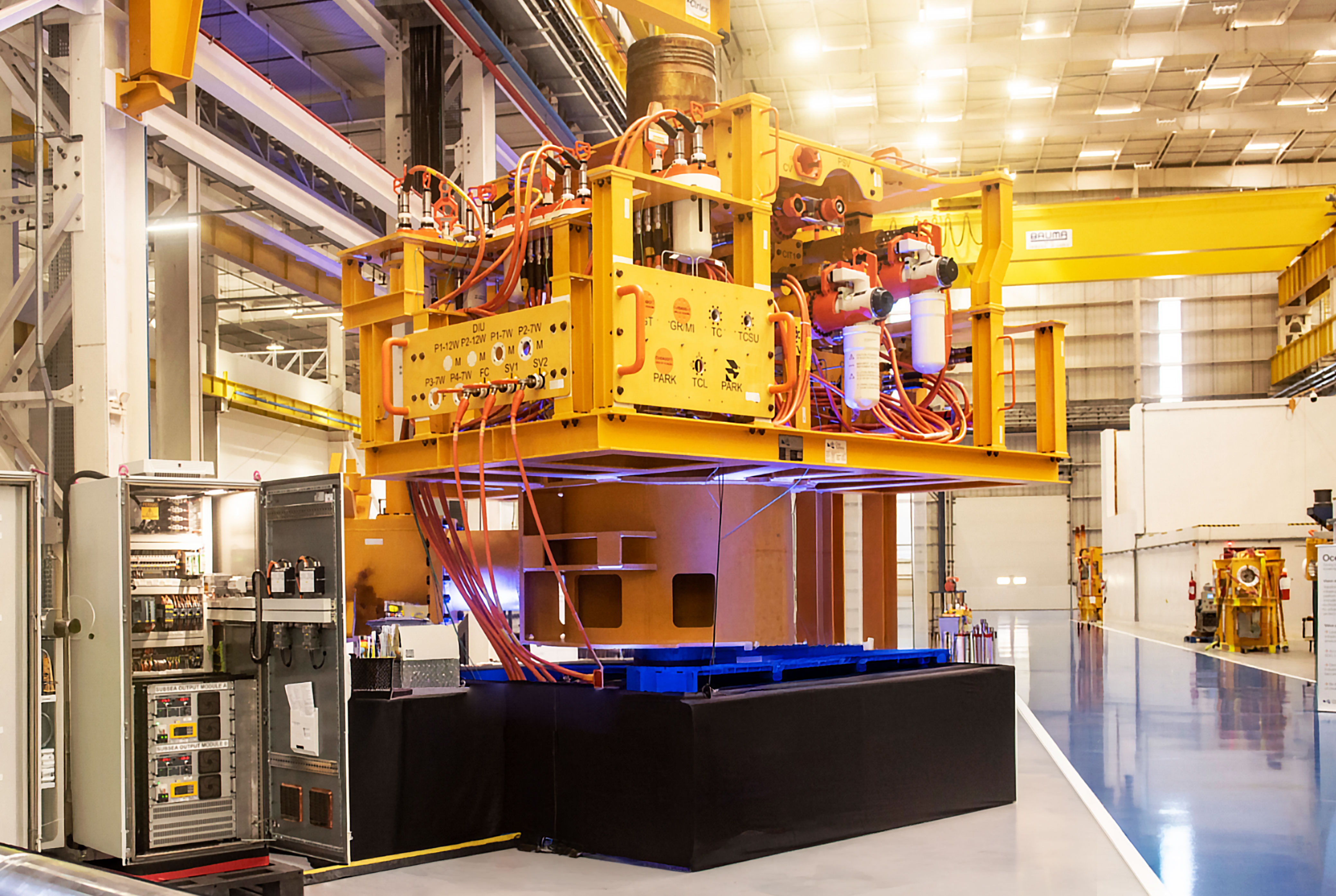
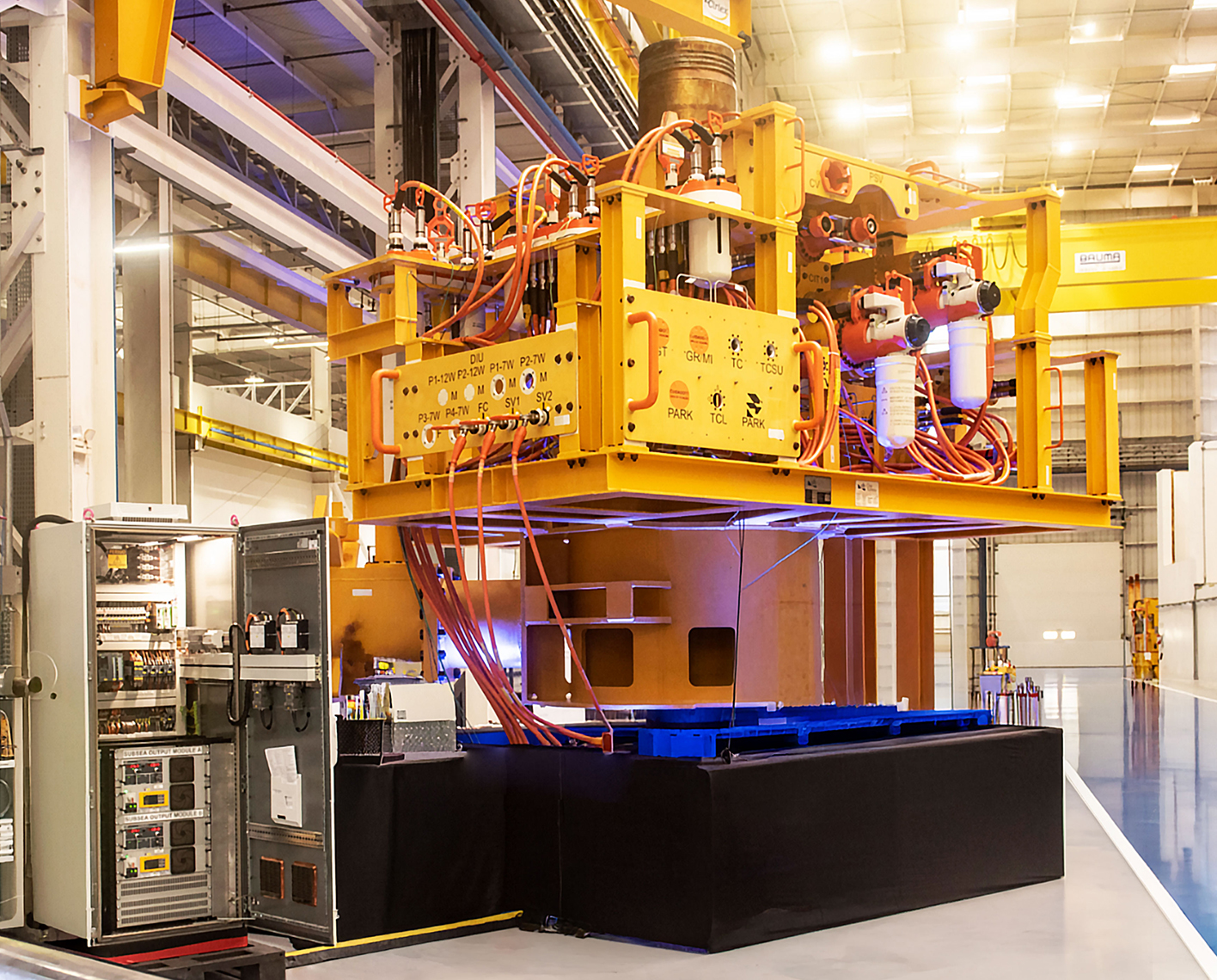
The project qualified electric components and control systems for deepwater applications and demonstrated an integrated architecture extending electrification beyond the subsea tree. The work connected subsea production equipment with electric well completion technology, topside controls and digital capabilities.
Representatives from the participating companies recently gathered at the OneSubsea manufacturing facility in São José dos Pinhais, Brazil, to celebrate the completion of the project. The event included technical presentations, demonstrations of subsea and downhole all-electric technologies, and a tour of the facility where electrified subsea equipment will be assembled.
“Completing this project is an important step toward expanding the role of fully electric technology in future deepwater developments,” said Darcy Ryan, Product Manager, OneSubsea. “By working closely with operators to define requirements and qualify the technology, we are creating new possibilities to simplify subsea infrastructure while providing greater control, monitoring and access to data.”
From hydraulic infrastructure to integrated electric systems
Conventional subsea production systems use hydraulic pressure to actuate valves and chokes, requiring hydraulic distribution infrastructure across the field. All-electric technology replaces hydraulic actuation with electric motors, eliminating the need for hydraulic fluids and reducing associated infrastructure.
The project demonstrates how electrification can move beyond individual components toward an integrated production architecture that connects subsea equipment, well completion technology, topside controls, and digital systems.
In addition to qualifying components for applications at depths of up to 3,000 meters, the project demonstrated interfaces with newly developed and qualified SLB electric completion technologies.
A purpose-built master control station connects the subsea equipment with topside control and digital systems, enabling an integrated approach to monitoring and operating the production system.
This architecture can simplify field layouts and reduce overall system complexity while giving operators greater flexibility when developing longer tiebacks, more remote fields, and increasingly autonomous operations.
Advancing all-electric systems toward commercial deployment
The completion of the project builds on more than 15 years of experience in subsea electrification and more than 5 million operating hours with electrified subsea systems.
OneSubsea’s all-electric portfolio is advancing along two complementary paths. In Norway, all-electric subsea production technology is moving toward commercial deployment through Equinor’s Fram Sør project, which includes 12 all-electric subsea trees.
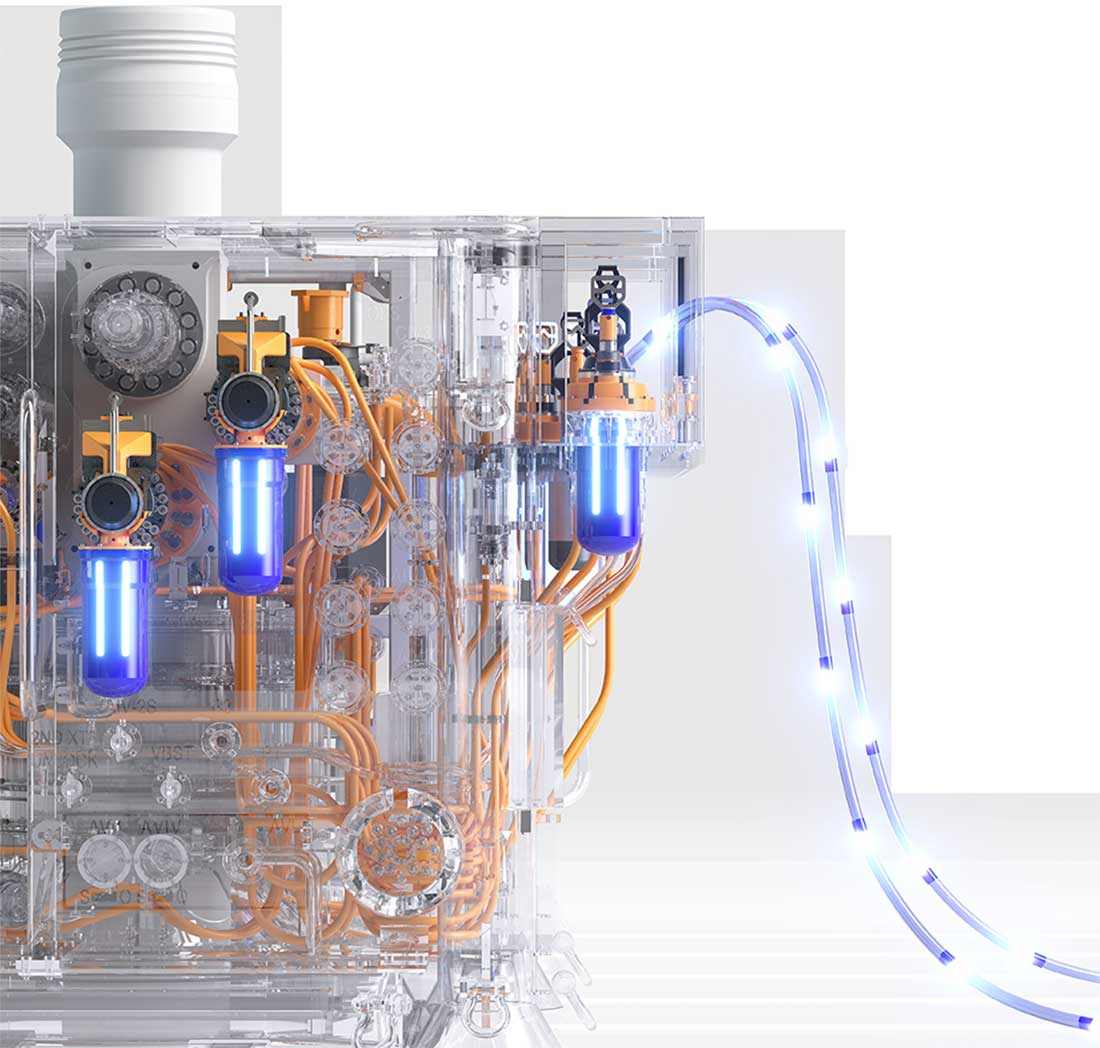
The Brazil All-Electric JIP extends the technology toward deeper water and more integrated applications. While the two programs address different field requirements, they share common electronic control modules, supporting a broader and more flexible approach to subsea electrification.
Collaboration has been central to the development. OneSubsea and the participating operators worked together to define technical requirements, align standards, share development knowledge and qualify the technology for demanding subsea environments.
“The completion of the Brazil All-Electric JIP marks an important step toward the commercial deployment of fully electric subsea technology,” said Vitor Heluey, Sales & Commercial Director, Brazil, OneSubsea.“By bringing together subsea production equipment, electric completions, topside controls and digital capabilities within a single architecture, the project demonstrates the potential of a fully integrated electric production system. This work provides an important foundation for the future evolution of deepwater field development.”
About SLB OneSubsea
SLB OneSubsea is driving a new subsea era leveraging digital and technology innovation to optimize our customers’ oil and gas production, reduce emissions in subsea operations, and unlock the large potential of subsea solutions to shape a sustainable energy future. SLB OneSubsea is a joint venture backed by SLB, Aker Solutions, and Subsea7 headquartered in Oslo and Houston, with 10,000 employees across the world. Find out more at onesubsea.slb.com.